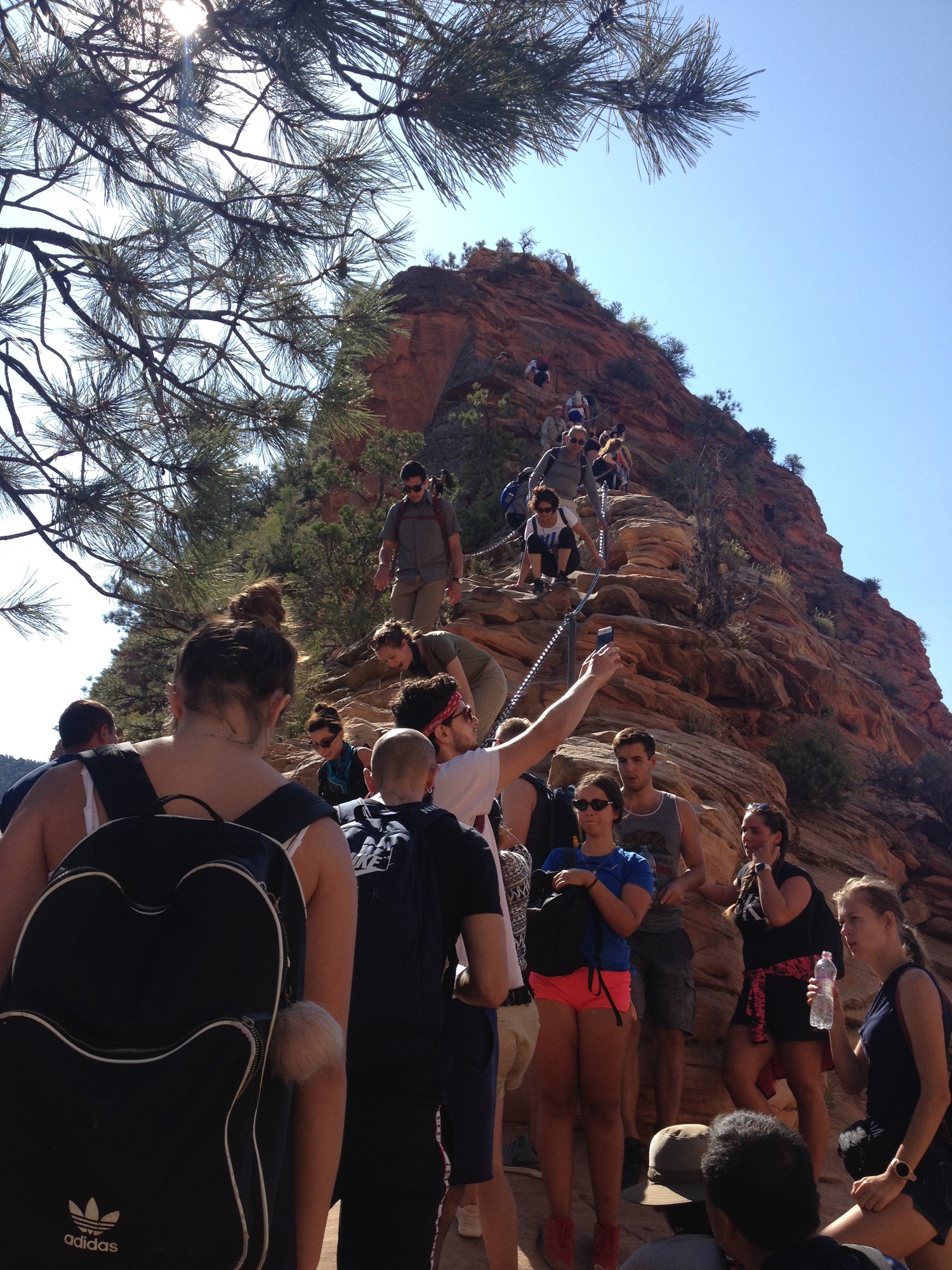
Nestled within the breathtaking red rock canyons of Zion National Park, Utah, lies a hiking trail shrouded in both allure and apprehension: Angels Landing. This iconic ascent is not merely a path but an experience, drawing thousands of adventurers each year to test their mettle against its vertical challenges and dizzying heights. For many, conquering Angels Landing in Zion National Park represents the pinnacle of their visit, an unforgettable journey promising unparalleled panoramic views. But with its notorious chain section and a history of falls, a crucial question lingers: is this thrilling hike truly worth the risk?
What Makes Angels Landing So Infamous?
The reputation of Angels Landing precedes it, captivating hikers worldwide and dominating social media feeds. Its infamy stems from a unique combination of extreme exposure, significant physical demands, and a heart-pounding final ascent. At its core, the hike is a 5-mile (round-trip) odyssey that scales over 1,500 feet of elevation, much of it via steep, unshaded switchbacks carved into the sandstone mountainside. The initial stretches, though strenuous, offer a wide path and increasingly spectacular views of the Zion Canyon. However, it's the final half-mile, famously known as "the chain section" or "the Hog's Back," that cements Angels Landing's legendary status.
This climactic segment traverses a narrow rock spine with sheer drop-offs on both sides, plunging hundreds of feet into the canyon below. Here, fixed metal chains bolted into the rock provide the only handholds, transforming the hike into a vertical scramble. This section is not for the faint of heart, demanding unwavering focus, a good head for heights, and a strong grip. While the National Park Service emphasizes that Angels Landing is safe enough if you’re careful, the presence of these chains underscores the inherent challenge. The unfortunate truth is that there have been a number of falling fatalities over the years, though statistically, the odds of an incident remain minuscule given the thousands who complete it annually.
Navigating the Angels Landing Permit System
Given its immense popularity and the narrow, exposed nature of the chain section, Zion National Park implemented a permit lottery system for Angels Landing in 2022. This measure was a crucial step to manage crowds, enhance safety, and preserve the delicate natural environment of this world-renowned trail. Prior to this, the sheer volume of hikers on the chains often led to dangerous bottlenecks and extended wait times.
To embark on the full Angels Landing experience, you must secure a permit through the National Park Service's lottery system. There are typically two types of lotteries: a seasonal lottery that runs several months in advance and a daily lottery that opens the day before the desired hiking date. This system ensures a more controlled and safer flow of traffic on the most hazardous parts of the trail. Without a permit, you cannot proceed past Scout Lookout, the point just before the chain section begins.
For those who don't secure a permit or are hesitant about the exposed chain section, hiking to Scout Lookout is an excellent and highly recommended alternative. This challenging 4-mile round-trip hike still offers phenomenal views of the canyon and provides a taste of the Angels Landing experience without the extreme exposure. It's a strenuous climb with plenty of switchbacks, but the vistas from Scout Lookout are truly rewarding and an achievement in themselves. For comprehensive details on how to increase your chances of securing a permit and navigating the lottery, check out our guide: Angels Landing: Conquering Zion's Steep Chains & Permit Lottery.
The Ascent: A Step-by-Step Glimpse of the Trail
The journey to the summit of Angels Landing in Zion National Park begins deceptively gently. Starting from the Grotto trailhead, the path is initially flat and paved, guiding hikers across a bridge over the Virgin River. But this brief respite quickly gives way to the relentless climb that defines the first major segment of the hike.
The Switchbacks and Scout Lookout
Soon after crossing the river, the trail begins its steady ascent, gaining significant elevation through a series of long, winding switchbacks. For the next mile or so, you'll be treated to increasingly dramatic views of the canyon, with the colossal peak of Angels Landing itself towering ominously ahead. There's little to no shade during this section, so hikers are fully exposed to the elements, especially the intense Utah sun. Hydration is key here. After navigating these initial switchbacks, including the famous "Walter's Wiggles" – 21 short, steep switchbacks carved into the rock – you'll reach Refrigerator Canyon, a brief, shaded reprieve.
Emerging from Refrigerator Canyon, the trail continues its climb to Scout Lookout. This expansive perch, located about 2 miles from the trailhead, is where the permitted portion of the hike begins. From here, you're greeted with magnificent views of Zion Canyon, including the Virgin River winding far below. This is also the point where many hikers choose to turn back, having experienced a significant challenge and stunning scenery without venturing onto the chains.
The Chain Section: The Final Frontier
Beyond Scout Lookout, the true test of Angels Landing awaits. The trail narrows dramatically, becoming a jagged, rocky spine known as the Hog's Back. This is where the fixed chains come into play, offering a lifeline across the exposed ridges. Hikers must carefully navigate a series of rocky footholds, often pulling themselves up or down using the chains, with sheer drops on both sides. The experience is undeniably exhilarating – a blend of fear, focus, and an incredible sense of accomplishment with every step. The focus required is intense, and the feeling of achievement at the summit is immense. Reaching the pinnacle, hikers are rewarded with an astonishing 360-degree panorama of Zion National Park, a view that truly makes the arduous journey worthwhile.
Essential Tips for a Safe and Enjoyable Angels Landing Experience
Embarking on the Angels Landing hike requires more than just a permit; it demands thorough preparation, physical readiness, and a healthy respect for the trail. Here are crucial tips to ensure your experience is as safe and rewarding as possible:
- Assess Your Fitness & Comfort with Heights: Angels Landing is a strenuous hike, requiring good cardiovascular fitness and strong legs. More importantly, you must be genuinely comfortable with significant exposure and heights. If you have a severe fear of heights, even Scout Lookout might be challenging, and the chain section is definitely not for you.
- Hydration is Non-Negotiable: Zion's desert climate, especially in summer (when temperatures can exceed 90°F), poses a serious risk of dehydration. Carry significantly more water than you think you'll need – at least 2-3 liters per person – and drink frequently. Electrolyte supplements can also be beneficial.
- Wear Proper Footwear: Sturdy hiking boots with excellent ankle support and aggressive tread are essential for traction on the slick sandstone, especially on the chain section where sure footing is paramount.
- Start Early: Beginning your hike at dawn offers several advantages: cooler temperatures, fewer crowds (even with permits, the chain section can get busy), and more time to complete the hike without feeling rushed.
- Pack Smart: In addition to water, bring high-energy snacks, sunscreen, a wide-brimmed hat, sunglasses, and layers of clothing, as temperatures can fluctuate. A small backpack to keep your hands free is crucial.
- Practice Chain Etiquette: The chain section is a two-way path. Be patient, communicate with oncoming hikers, and always maintain three points of contact (e.g., two hands and one foot, or one hand and two feet) when moving. Avoid rushing or pushing.
- Know Your Limits: There is absolutely no shame in turning back at Scout Lookout if you feel uncomfortable or unsafe proceeding onto the chains. The views from there are spectacular, and safety should always be your top priority.
- Best Time to Hike: Spring (March-May) and Fall (September-November) offer the most pleasant weather conditions, avoiding the extreme heat of summer and the potential for ice in winter.
The Angels Landing experience is undeniably challenging, requiring a blend of physical endurance and mental fortitude. But for those who are prepared and respectful of its demands, the reward is an unparalleled sense of accomplishment and some of the most spectacular views in Zion National Park. It's an adventure that transcends a typical hike, becoming a journey of self-discovery against a backdrop of awe-inspiring natural beauty.
